
Sciatica is a condition that many people, especially those in their middle to senior years, encounter. It's characterized by pain that radiates along the path of the sciatic nerve, which extends from the lower back through the hips and buttocks and down each leg. Understanding the root causes and symptoms of sciatica is crucial to effective recovery and management.
What is Sciatica?
Sciatica is not a diagnosis in itself but rather a symptom of an underlying medical condition. It signifies irritation or compression of the sciatic nerve. This discomfort can range from mild to severe and often affects one side of the body. The pain can be sharp, burning, or feel like an electric shock, making everyday activities daunting.
The Anatomy of the Sciatic Nerve
The sciatic nerve is the longest and widest nerve in the human body. It begins in the lower back and splits to run down each leg. Because of its length and significant role in connecting the spinal cord with the leg and foot muscles, any disturbance can lead to noticeable pain and discomfort, commonly referred to as sciatica.
Understanding the anatomy of the sciatic nerve helps clarify why symptoms can be so widespread and varied. The nerve's extensive reach means that any compression or irritation can manifest in multiple ways, affecting various parts of the lower body. This understanding underscores the importance of pinpointing the exact cause of sciatica for effective treatment.
Common Causes of Sciatica
Understanding the causes of sciatica is the first step toward effective treatment. Several conditions can lead to sciatica, including:
Herniated Disc
A herniated disc occurs when the soft inner material of a spinal disc pushes through its outer layer. This can happen due to injury or natural degeneration over time. When the disc bulges out, it can press against the sciatic nerve, causing pain that radiates down the leg.
Herniated discs are among the most common causes of sciatica. The pressure exerted on the nerve can lead to significant discomfort and requires careful medical evaluation to determine the best course of action, which may include physical therapy, medication, or surgery.
Spinal Stenosis
Spinal stenosis is the narrowing of the spinal canal. As the spaces within the spine narrow, it can compress the nerves, including the sciatic nerve. This condition often occurs in older adults due to arthritis-related changes in the spine.
Spinal stenosis can be particularly challenging because it tends to develop slowly over time, often going unnoticed until symptoms become severe. Regular check-ups and imaging tests can help detect spinal stenosis early, allowing for more effective management strategies.
Piriformis Syndrome
The piriformis is a small muscle located deep in the buttocks. When this muscle spasms or becomes tight, it can irritate or compress the sciatic nerve, leading to symptoms of sciatica. This condition is more common in women and can be challenging to diagnose.
Piriformis syndrome often requires a careful approach to diagnosis, as its symptoms can mimic those of other conditions. Treatment typically involves physical therapy and exercises designed to stretch and relax the piriformis muscle, providing relief from nerve compression.
Recognizing the Symptoms of Sciatica
The symptoms of sciatica can vary depending on the cause and severity of the nerve compression. Common symptoms include:
Pain and Discomfort
Most people with sciatica experience pain that radiates from the lower back through the buttock and down the back of the leg. This pain can vary from a mild ache to a sharp, burning sensation. In some cases, it may feel like a jolt or electric shock.
Pain management is a crucial aspect of sciatica treatment. Over-the-counter pain relievers, prescription medications, and therapeutic exercises can all play a role in reducing discomfort and improving quality of life.
Numbness and Tingling
As the sciatic nerve is responsible for sensations in the lower extremities, compression can lead to numbness or a tingling sensation in the leg or foot. This may make walking or standing for extended periods difficult.
Numbness and tingling need to be addressed promptly, as prolonged compression of the nerve can lead to more severe complications. A thorough medical evaluation can help determine the best treatment options to alleviate these symptoms.
Muscle Weakness
In severe cases, sciatic nerve compression can lead to muscle weakness in the affected leg. This can make it challenging to perform everyday tasks and may require medical intervention.
Muscle weakness is a serious symptom that indicates significant nerve involvement. Rehabilitation exercises aimed at strengthening the muscles can aid recovery and prevent further deterioration.
The Sciatica Recovery System: A Comprehensive Approach
For those suffering from sciatica, the path to recovery may seem daunting. However, a comprehensive recovery system can provide relief and restore normal function.
Early Diagnosis and Treatment
Early diagnosis is crucial for effective treatment. Consulting with a healthcare professional at the first sign of symptoms can prevent further nerve damage. Treatments may include physical therapy, medications, or in some cases, surgery.
Prompt medical attention allows for a tailored treatment plan that addresses the specific cause of sciatica. This proactive approach minimizes the risk of chronic pain and long-term disability.
Personalized Exercise Programs
Exercise plays a vital role in recovery. A personalized program designed to strengthen the core and lower back muscles can help alleviate pressure on the sciatic nerve. These exercises should be performed under the guidance of a professional to prevent injury.
Incorporating exercises such as stretching, swimming, and low-impact aerobics can enhance flexibility and support spinal health. Regular physical activity not only aids recovery but also helps prevent future episodes of sciatica.
Lifestyle Adjustments
Making lifestyle adjustments such as maintaining a healthy weight, practicing good posture, and avoiding prolonged sitting can significantly impact recovery. Incorporating ergonomic furniture and taking regular breaks during long periods of sitting can also help.
Lifestyle changes are integral to managing sciatica. Simple adjustments in daily habits can reduce strain on the spine and nerves, promoting long-term health and comfort.
Real Recovery Success Stories
Hearing from those who have successfully navigated the challenges of sciatica can be inspiring and motivating. Many people have found relief through comprehensive systems that address both the physical and emotional aspects of recovery.
Embracing Holistic Healing
One woman shared her journey of overcoming sciatica by combining traditional treatments with holistic approaches such as yoga and meditation. This combination not only relieved her physical pain but also improved her overall well-being.
Holistic practices can complement medical treatments, offering a balanced approach to healing. Techniques such as mindfulness and stress management can play a significant role in reducing pain perception and enhancing recovery.
The Power of Persistence
Another success story comes from a man who, after months of physical therapy and lifestyle changes, regained full mobility and returned to his active lifestyle. His persistence and determination were key factors in his recovery.
Persistence is often the key to overcoming sciatica. Staying committed to treatment plans and making consistent efforts in rehabilitation can lead to significant improvements and a return to normal activities.
Conclusion: Take Charge of Your Sciatica Recovery
Understanding the causes and symptoms of sciatica is the first step toward effective recovery. By acknowledging the importance of early diagnosis, personalized treatment plans, and lifestyle adjustments, you can take charge of your recovery journey.
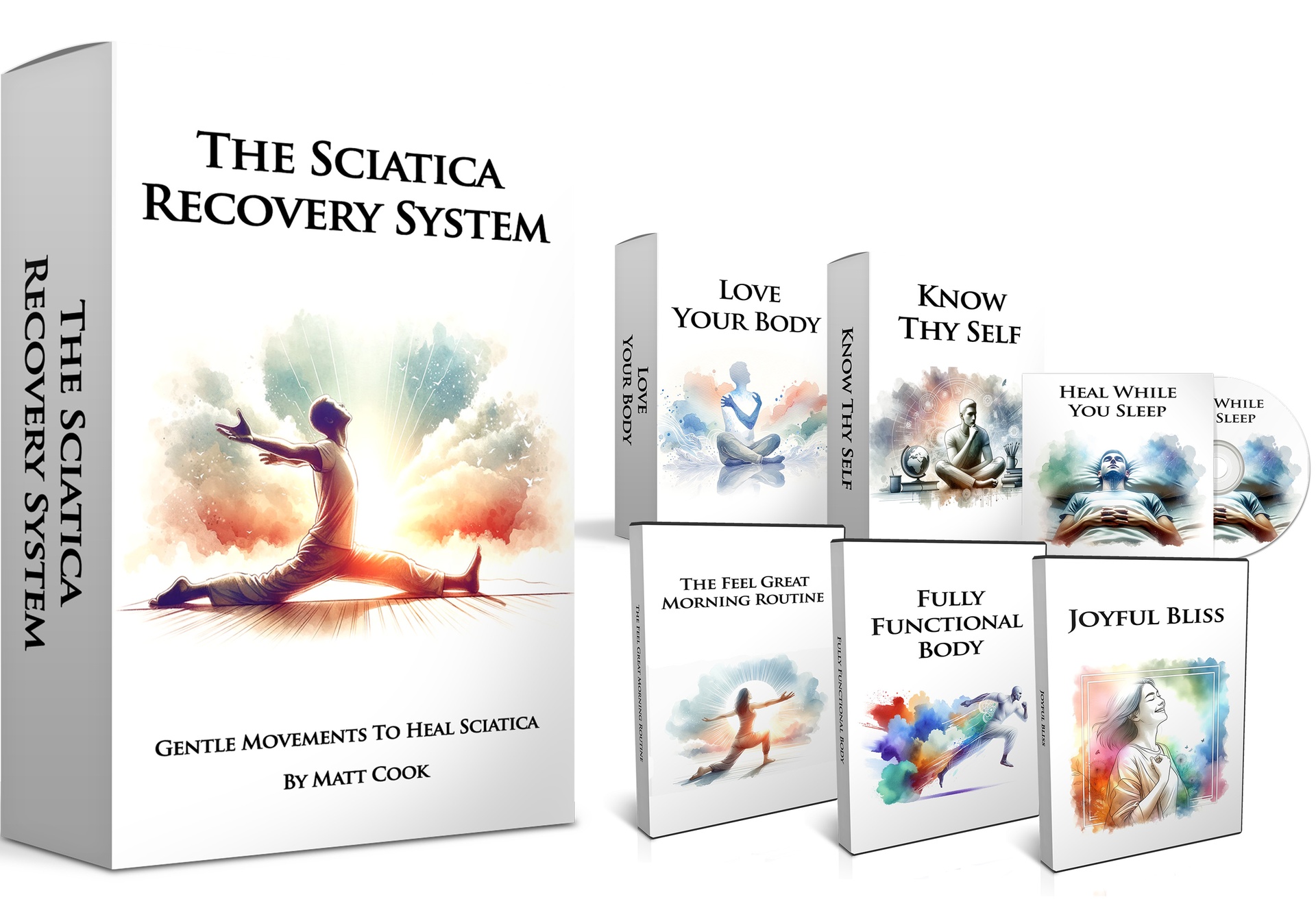
For more information on a comprehensive approach to sciatica recovery, consider exploring the Sciatica Recovery System. This system offers valuable insights and tools to help you regain control of your life and eliminate the pain of sciatica.